

How Long-Duration Ultrasound Therapy Is Supporting Recovery and the Shift Toward Non-Opioid Care
Orthopedic Recovery Is Entering a New Era
For years, post-operative recovery often centered on rest, physical therapy, and pain medication. While pain management remains an important part of the recovery process, healthcare providers are increasingly exploring ways to support healing while reducing reliance on opioid medications whenever clinically appropriate.
This shift has led to greater interest in non-drug recovery technologies that can complement a provider's treatment plan.
One technology gaining attention is long-duration, low-intensity ultrasound therapy.
Unlike traditional therapeutic ultrasound performed during a short clinic visit, long-duration ultrasound therapy is designed to deliver treatment over an extended period, allowing patients to receive therapy while continuing many of their normal daily activities.
Why the Shift Away From Opioids?
The opioid epidemic has changed how providers think about post-operative pain management.
Today's orthopedic surgeons and healthcare teams are increasingly adopting multimodal recovery strategies—combining multiple therapies to support recovery and patient comfort while reducing dependence on opioid medications when appropriate.
These approaches may include:
Patient education
Cold and compression therapy
Physical therapy
Early mobility
Digital rehabilitation
Circulation support technologies
Long-duration ultrasound therapy
Rather than relying on a single treatment, providers are building comprehensive recovery plans tailored to each patient's needs.
What Is Long-Duration Ultrasound Therapy?
Long-duration, low-intensity ultrasound therapy uses acoustic energy to deliver gentle mechanical stimulation to soft tissues over several hours.
Research has explored its use in supporting the body's natural healing processes by promoting circulation and tissue repair. It has also been studied for its potential role in helping manage pain associated with certain musculoskeletal conditions.
Unlike traditional in-clinic ultrasound treatments that typically last only a few minutes, long-duration therapy allows patients to continue treatment while going about their day.
How It May Support Healing
Healing after orthopedic surgery depends on a complex series of biological processes.
Long-duration ultrasound therapy has been studied for its potential to support recovery by:
Increasing local blood flow
Supporting soft tissue healing
Promoting tissue regeneration
Encouraging collagen production
Supporting recovery from musculoskeletal injuries
These physiological effects make it an attractive option for providers looking to complement rehabilitation programs.
Supporting Non-Opioid Recovery
Patients today are increasingly asking about alternatives that may help support recovery while reducing reliance on medication.
Long-duration ultrasound therapy is one of several non-drug technologies that providers may consider as part of a comprehensive recovery strategy.
Rather than replacing physician-directed care or prescribed medications, it can complement rehabilitation by helping support the body's natural healing process and encouraging active participation in recovery.
The goal is not simply pain relief—it's helping patients stay engaged in their rehabilitation plan.
How SAM® Pro 2.0 Fits Into Modern Recovery
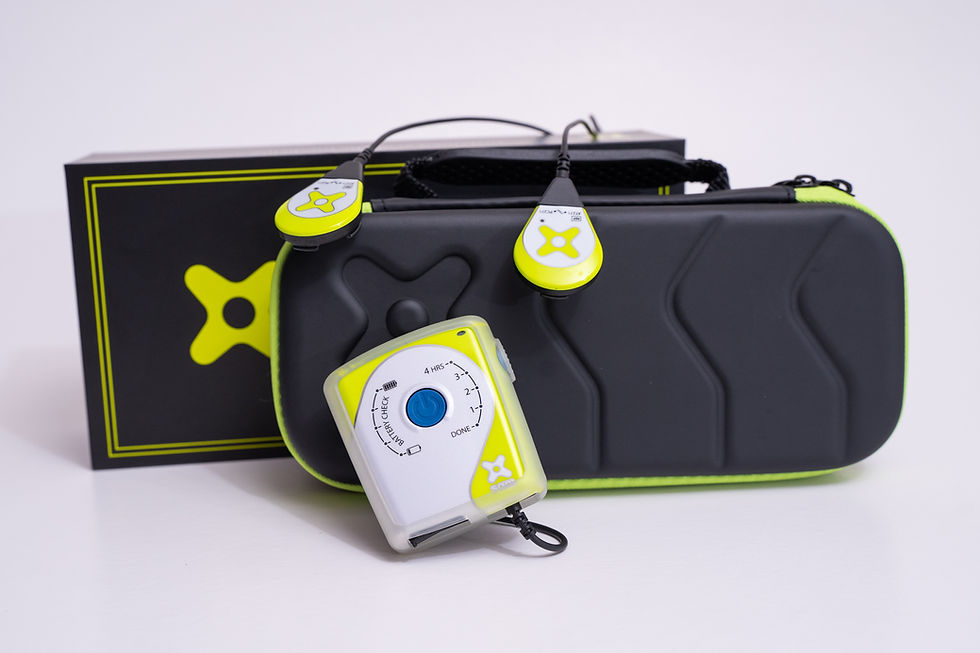
One example of this technology is the SAM® Pro 2.0.
SAM Pro 2.0 is a wearable, long-duration, low-intensity ultrasound therapy device designed for home use under the direction of a healthcare provider.
The device allows patients to receive ultrasound therapy over an extended treatment period while continuing many daily activities.
Providers incorporate SAM Pro 2.0 into care plans for appropriate patients because it offers several potential advantages:
Wearable, portable design
Home-use convenience
Drug-free therapy
Long-duration treatment sessions
Designed to support the body's natural healing process
For orthopedic practices focused on comprehensive recovery, technologies like SAM Pro 2.0 can help extend care beyond the clinic and keep patients engaged between follow-up visits.
Why This Matters to Orthopedic Sales Representatives
Orthopedic sales representatives are increasingly expected to provide more than product knowledge.
Providers are looking for partners who understand recovery trends and can introduce technologies that complement existing treatment protocols.
Being knowledgeable about long-duration ultrasound therapy allows reps to discuss:
The movement toward multimodal recovery
Non-opioid care strategies
Patient engagement
Home-based recovery technologies
Emerging recovery innovations
Those conversations create value beyond the operating room.
Recovery Technology Is Reshaping Orthopedic Care
Healthcare continues to move toward personalized, patient-centered recovery.
Innovative technologies such as cold and compression therapy, digital rehabilitation, circulation support, wearable light therapy, and long-duration ultrasound therapy are helping providers build more comprehensive recovery programs.
The future of orthopedic care isn't defined by one device or one treatment—it is defined by combining the right tools to support better patient experiences and outcomes.
Final Thoughts
Long-duration ultrasound therapy represents an important advancement in orthopedic recovery.
As providers continue to emphasize non-opioid recovery pathways and patient-centered care, technologies like SAM® Pro 2.0 are becoming valuable additions to comprehensive rehabilitation strategies.
For orthopedic sales representatives, understanding how these technologies fit into the broader recovery journey creates opportunities for more meaningful conversations with surgeons, physician assistants, physical therapists, and practice administrators.
The future of orthopedic recovery isn't about replacing traditional care—it's about enhancing it with innovative technologies that help patients heal, stay engaged, and recover with confidence.
Comments