

New Study Highlights Benefits of Iceless Cold Compression Therapy After Orthopedic Surgery

Recovery technology continues to evolve, and recent clinical research is showing promising results for cold compression therapy in orthopedic recovery.
A 2026 hand surgery study evaluating iceless cold compression systems found improvements in both patient satisfaction and postoperative pain outcomes following orthopedic procedures.
As healthcare providers continue searching for ways to reduce opioid reliance and improve recovery experiences, cold compression therapy is gaining increased attention as a non-drug recovery solution.
Why Cold Compression Therapy Matters
Postoperative recovery often includes:
Pain
Swelling
Inflammation
Limited mobility
Cold compression therapy combines cryotherapy (cold therapy) with compression to help support recovery during the critical early healing phase.
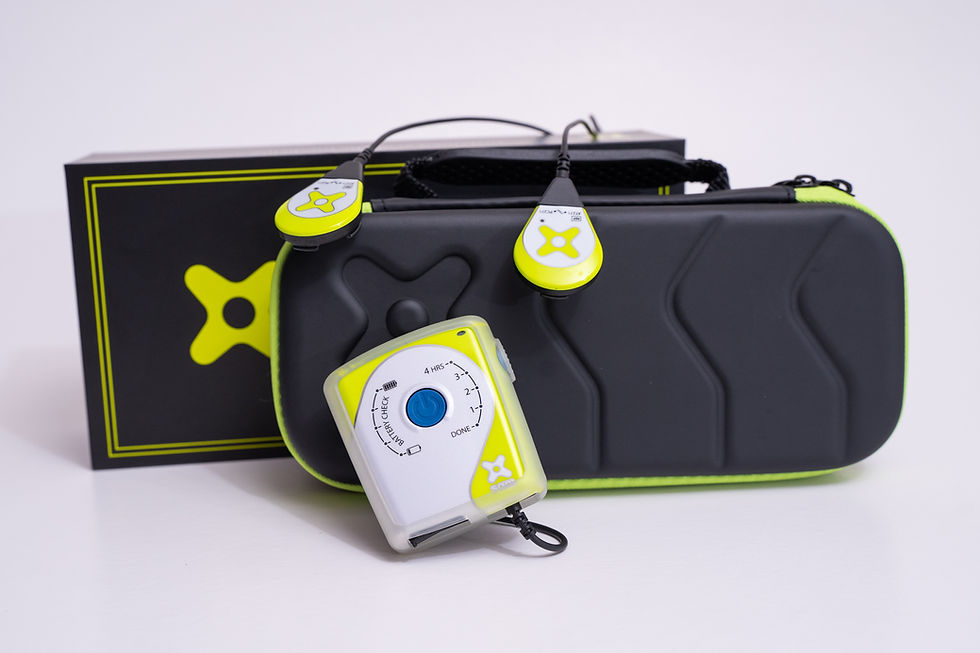
Unlike traditional ice packs, iceless cold compression systems are designed to provide more consistent therapy while improving convenience and ease of use for patients.
Key Findings From the Study
According to the study, patients using iceless cold compression therapy experienced:
Improved pain management
Better overall recovery satisfaction
Enhanced postoperative comfort
These findings continue supporting the growing role of cold compression systems in orthopedic rehabilitation and postoperative care.
The Bigger Trend in Orthopedic Recovery
The orthopedic industry is increasingly focused on:
Reducing opioid use
Improving patient comfort
Supporting faster rehabilitation
Enhancing recovery outcomes through non-invasive technology
Cold compression therapy is becoming an important part of multimodal recovery strategies because it may help patients manage pain more effectively without relying solely on medication.
Final Thoughts
As more clinical studies continue to emerge, cold compression therapy is proving to be more than just a comfort measure—it is becoming an increasingly valuable recovery tool in orthopedic care.
Innovative recovery technologies that improve patient experience while supporting safer rehabilitation protocols will likely continue shaping the future of postoperative recovery.


Comments